A free society begins with a presumption that peaceful people may live their lives without proving their innocence in advance. That principle does not excuse crime or prevent authorities from investigating credible threats. It does require a distinction between harmful conduct and lawful possession.
Suspicion is not evidence
Firearm owners are sometimes discussed as if possession itself were proof of dangerous intent. That approach reverses the burden of proof. It treats a broad class of citizens as potential offenders because of an object they lawfully own, rather than judging specific actions and evidence.
Public safety requires the ability to address genuine threats. It also requires limits on government power. Investigations should be grounded in facts, restrictions should follow fair process, and penalties should attach to misconduct rather than peaceful status.
Responsibility and liberty can coexist
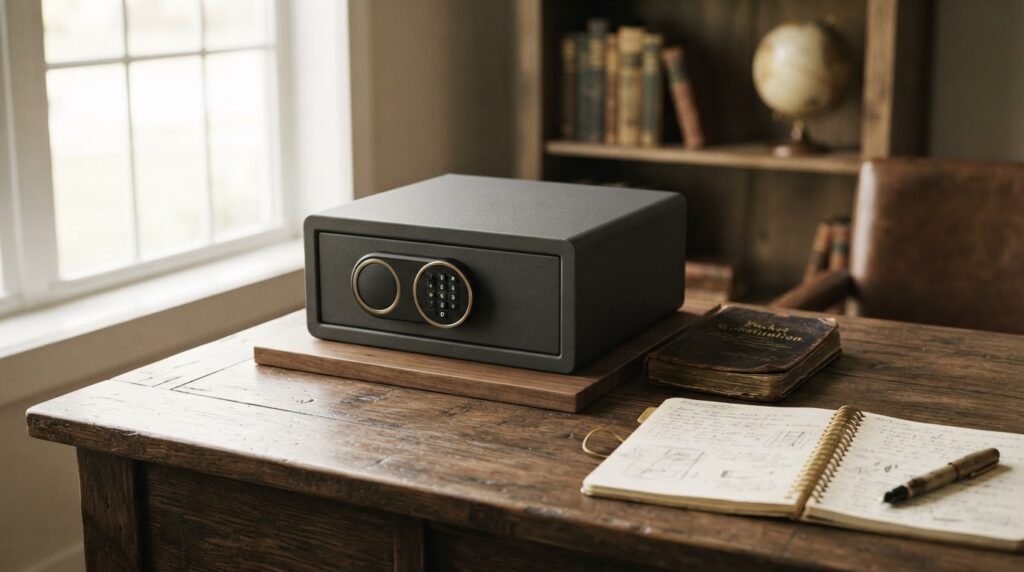
Lawful owners should handle firearms safely, secure them from unauthorized access, and obey the law. These responsibilities are compatible with a presumption of innocence. Indeed, responsible conduct is easier to encourage when citizens are treated as adults who can be held accountable for what they do.
A policy that treats every peaceful citizen as a suspect damages trust and weakens the idea of equal citizenship. A better standard is straightforward: investigate credible evidence, prevent specific harms, and respect the rights of people who have done nothing wrong.