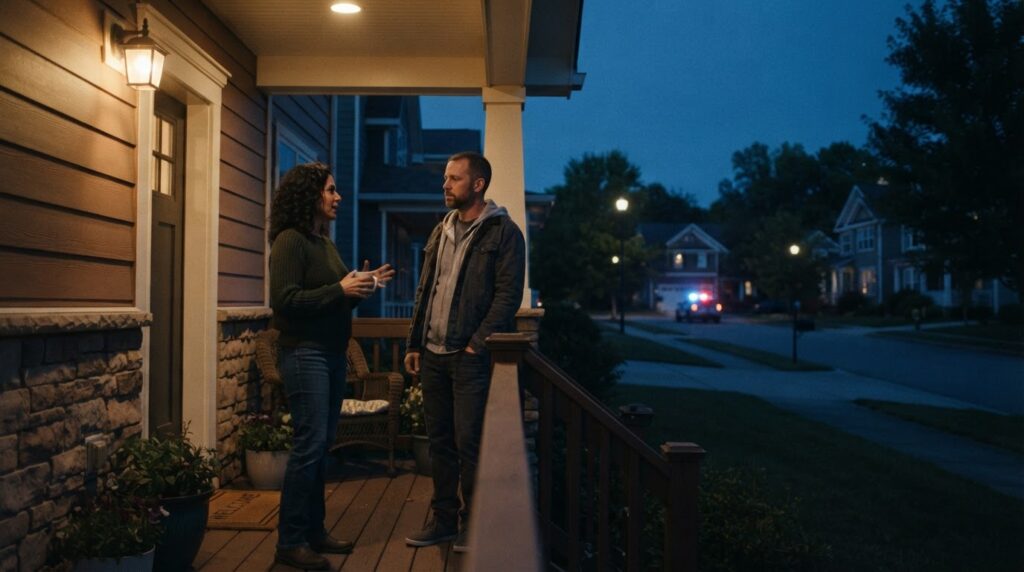
Public safety is a core responsibility of government, but it cannot be understood as an exclusive operational monopoly. Police investigate crime, respond to emergencies, and protect the public. Individuals and families also make decisions about locks, alarms, communication, training, and personal defense.
The response gap is real
Even the best emergency system has limits of distance, time, and capacity. A dispatcher cannot be at the scene of every threat. A responder cannot arrive before every assault begins. This is a structural reality of public service, not a criticism of the people who do the work.
People therefore build layers of safety. They plan exits, communicate with neighbors, improve lighting, secure homes, and learn how to recognize danger. For some, lawful firearm ownership is one part of that preparation. Others choose different measures. The right approach depends on circumstances and applicable law.
Partnership, not dependence
A resilient community values competent public institutions without demanding that citizens surrender all personal agency. Government should enforce laws and punish aggression; it cannot promise to eliminate risk or provide immediate protection in every place.
Policies should be evaluated by whether they reduce harm and respect the rights of peaceful people. A society is safer when public institutions are effective and individuals retain lawful ways to protect themselves.